Inflatable boards run from Salt Lake City
Glide's paddle board coating can stretch to 600 percent of its size. "Many people think that the finish is very hard and that's what protects the board," Ken Driscoll told US Manufacturing Report in 2022. "But actually, it's very elastic." The epoxy board underneath can crack on a hard hit while the shell holds it together. It is why rental fleets favor Glide's hard boards, US Manufacturing Report noted.
Driscoll came to paddle boards the hard way. He was a professional kayaker until, the company says, he paddled over a 50-foot waterfall and the landing ended his kayaking career. Glide's own story starts there, in 2008. The company launched in Salt Lake City in 2010, and Driscoll was joined by partners Scott Knorp and Ken Apperson.
At first Glide built everything here. "When we started, we were 100 percent USA-built," Driscoll said. The crew cut its own foam blocks and built every board in a Salt Lake factory that once employed about 40 people. "We started out being a whitewater company," he said, "and then, over time, we really kind of morphed into the rental board market."
Then offshoring caught up. About five years before that 2022 interview, Glide moved most of its production to a single factory in China, where Driscoll says Glide is the only product made. He tried Mexico first. Vietnam and Thailand had good factories, he said, but they imported much of their raw material from China anyway. The hard boards now arrive about half finished and get the patent-pending coating in Salt Lake City. The local staff fell to nine.
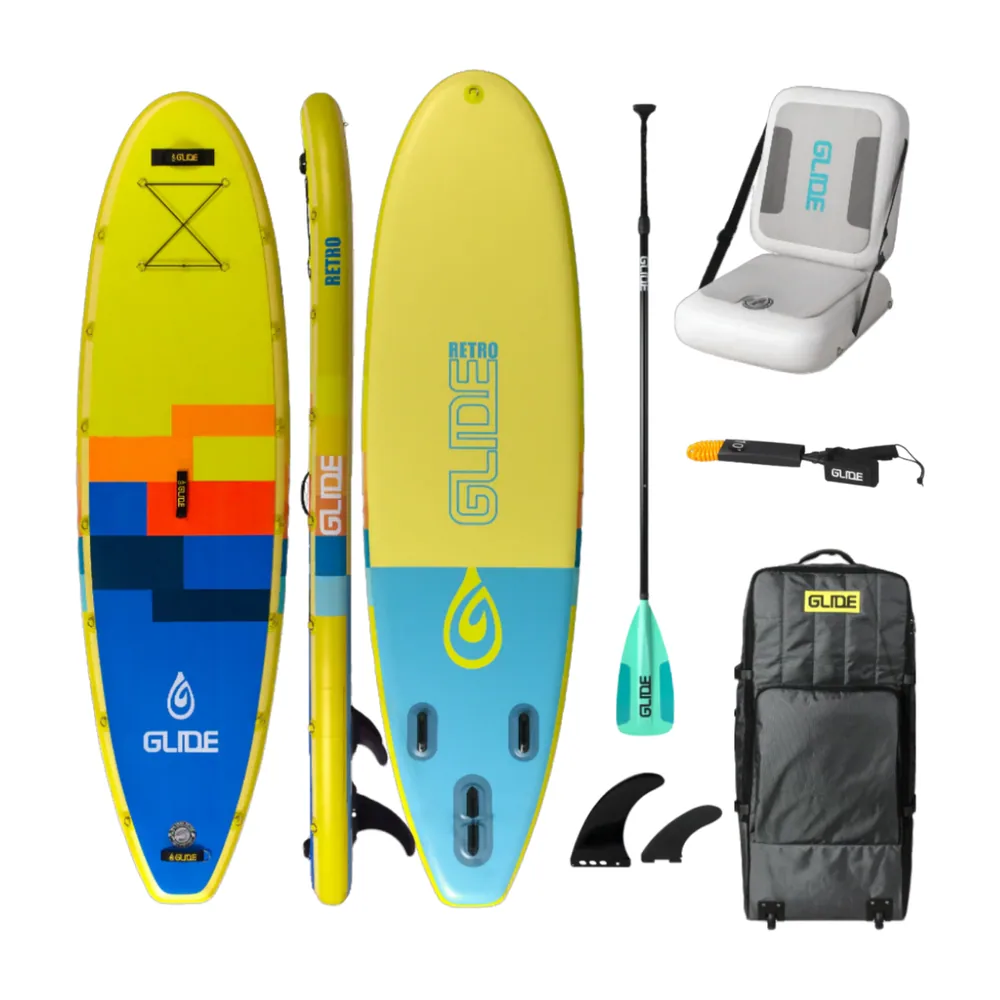
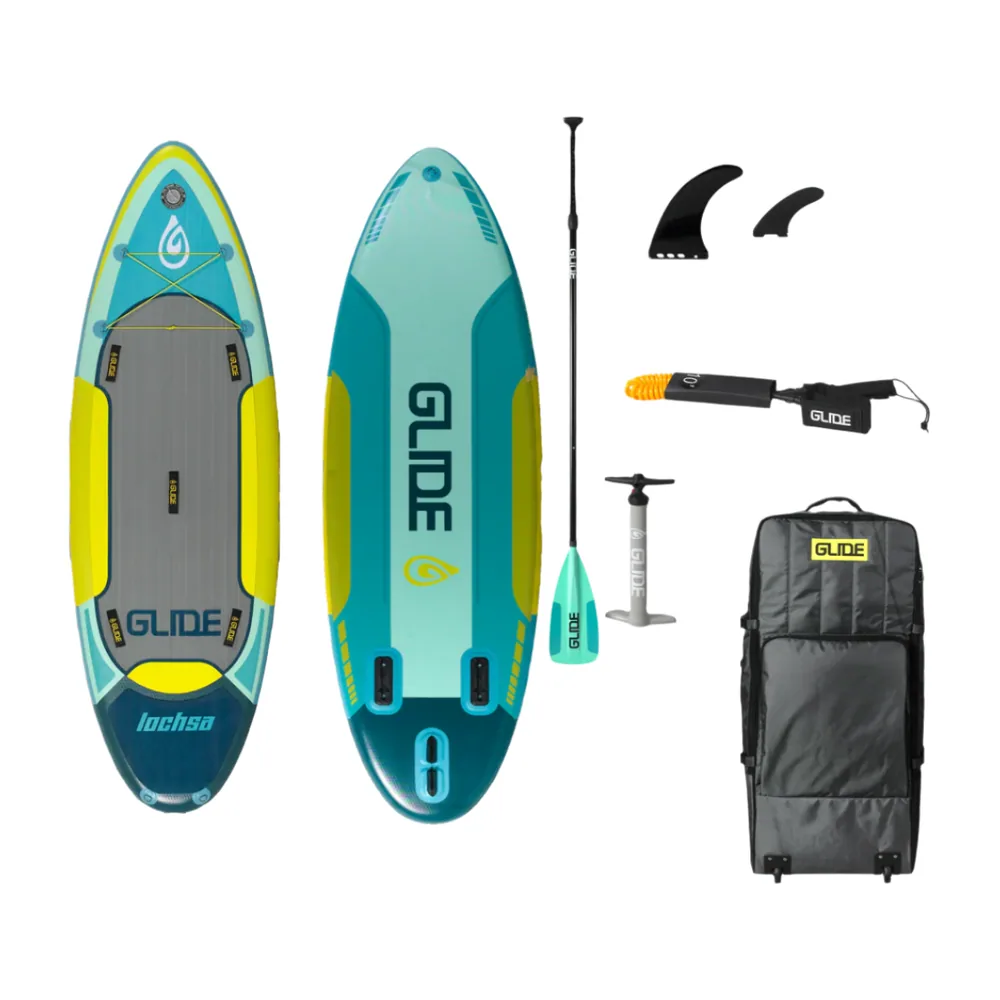
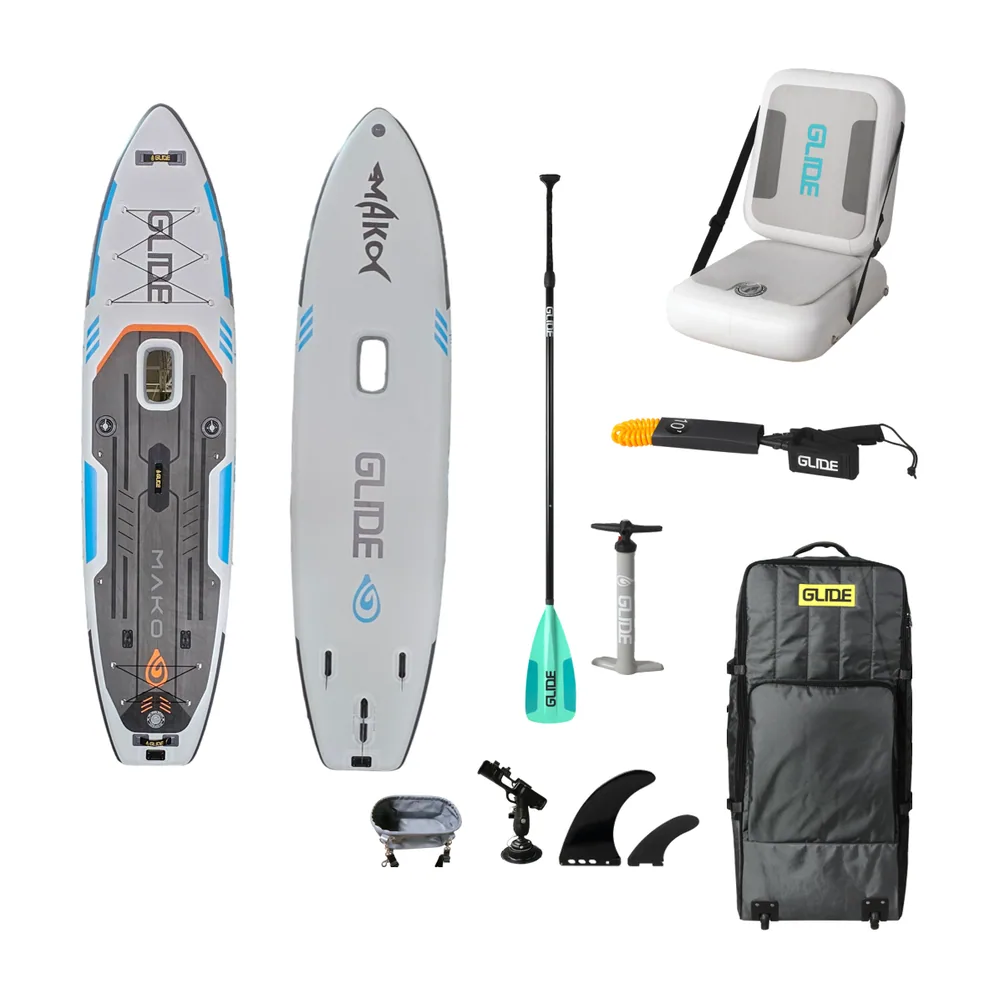
The inflatables are what most of us buy. The Retro Elite 10'6" weighs 22 pounds and comes with a kayak seat and a paddle blade for $649. The Lochsa 3.0, at $629, is built for rapids, a nod to the whitewater company Glide started as. The Mako Elite is a 12'6" fishing board with a 500 pound capacity for $899. Driscoll said the inflatables sold through about 250 specialty stores and online, and that specialty retailers are "the bread and butter of the industry."
One honest note. The Utah part of a Glide board is now the design and the finishing, not the building. The company says it is still founder-led and privately owned, run by Driscoll with two long-time partners and no private equity money.
Most Glide boards are built in China now. The coating that makes the hard ones so difficult to kill still goes on in Salt Lake City.
Researched and written by Beehive Made. Last checked .
Work at Glide SUP? Confirm this page or send a fix. Get the badge for your site too.
Glide's inflatable boards can be pumped to 25 PSI, which Ken Driscoll credits to a woven drop-stitch core with its layers fused together.
The Monday email
What Utah brands launched this week, every Monday. Sign up and the State of Utah Brands report is yours as a thank-you.