Skier's Edge is a fitness brand headquartered in Salt Lake City, Utah.
The first Skier's Edge came out of scrap metal yards and was put together in a garage and a living room. Joel Loane built it after a knee injury in 1983, when a doctor told him to drop his seven-miles-a-day running habit, the Deseret News reported in 2000. "I never intended it as a revenue source," he said. "I just had to keep skiing."
His knees had a long file by then. Loane played football at BYU in 1961 and 1962, and the paper counted five knee injuries that surgeons had repaired. The machine had him linking turns right away the next season, and his friends accused him of spending months practicing in Europe. He had been practicing in his living room.
By 1987 he was building 28 machines in his garage for the U.S. Ski Team, which named the company its official supplier. He moved the business from Menlo Park, California, to Park City in 1994, saying it felt more credible to be near the U.S. teams. When the Austrian team came to him in 1997, Loane compared it to the New York Yankees asking for whatever you've got.
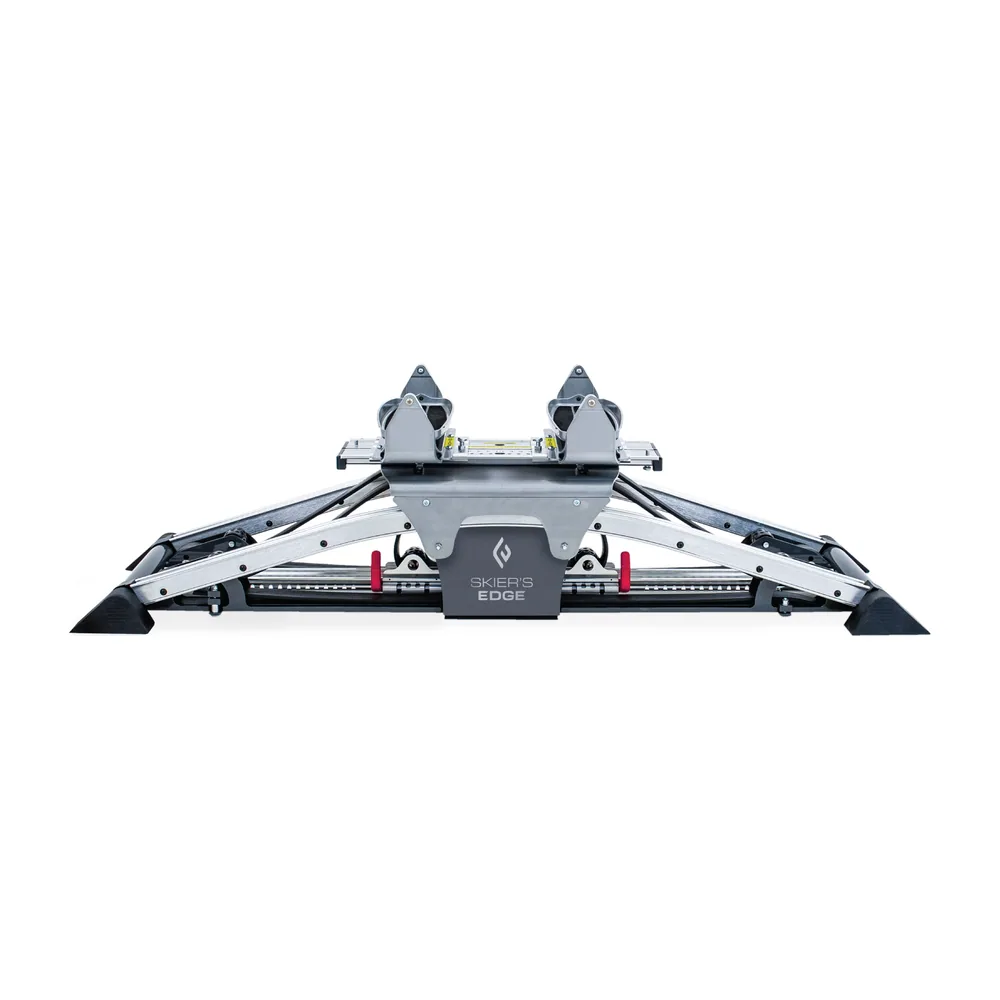
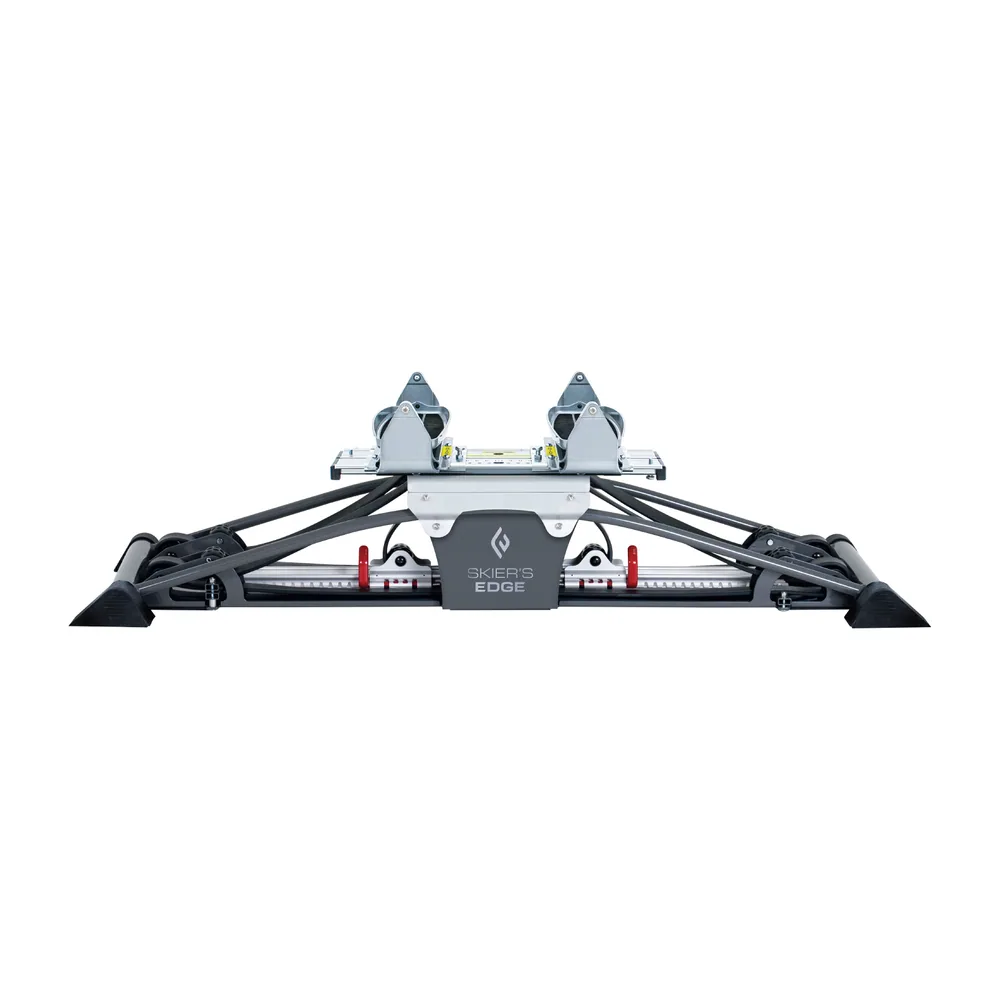
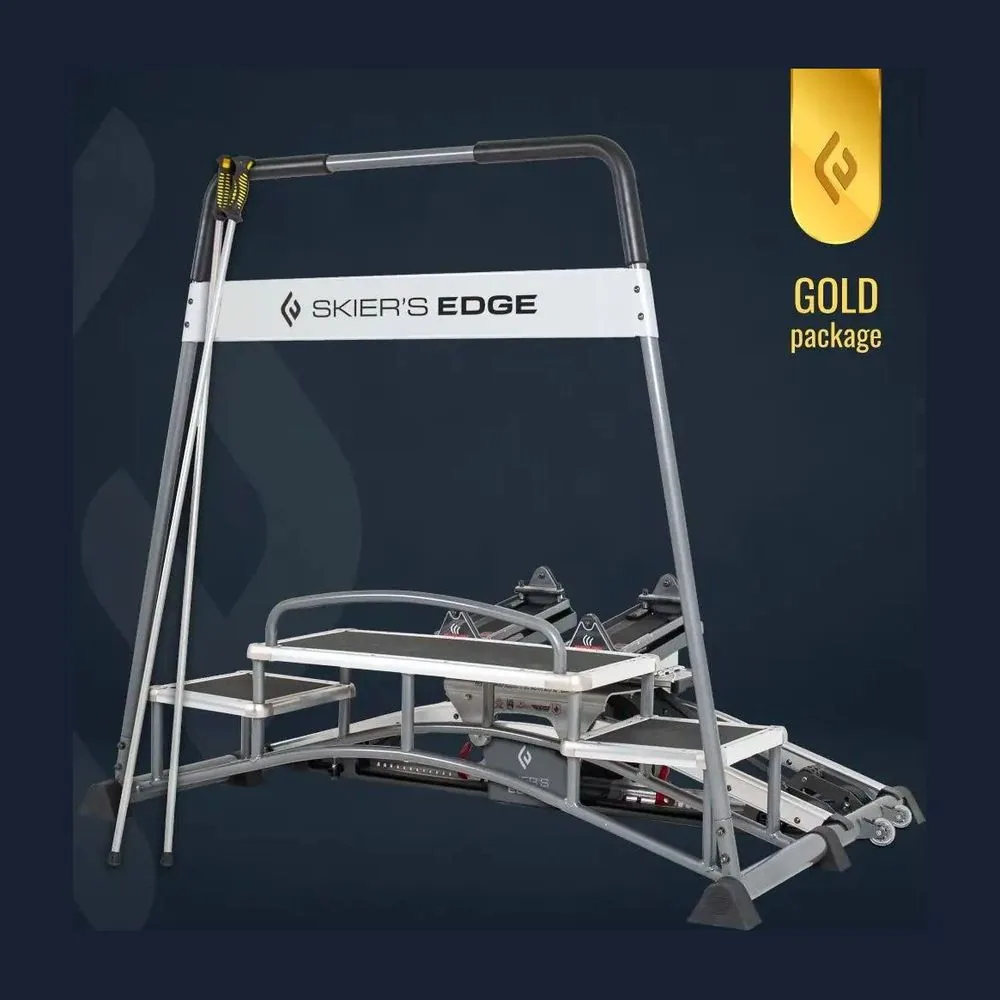
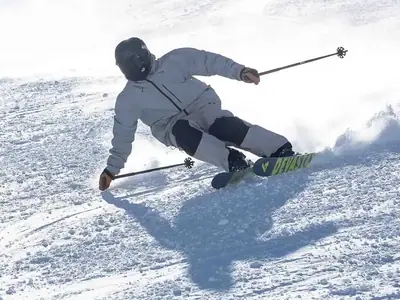
The idea is simple to describe and hard to fake. The machine works the side-to-side movement of a ski turn, which the company says standard gym equipment leaves out, on a carriage that rides aluminum rails. The Pro has seven stance settings that change in 20 seconds or less. The FAQ puts the noise somewhere between a professional elliptical and a treadmill, and since the machines weigh 85 to 185 pounds it suggests a buddy for assembly.
The business now trades as MyEdge and sells a Hockey Edge alongside the ski machine. It lists its address in Salt Lake City, where the company says every machine is hand assembled and tested. The full lineup is sold only on its own websites, and the company says that is for quality control.
None of it is cheap. The Elite, the base model, lists at $3,995 and is backordered until early 2027, and a Pro with the BootMaster for training in your own ski boots runs $8,495. Home machines carry a four-year warranty, while gyms and other commercial buyers get one year.
Loane was the company's founder and CEO, and he died at his Park City home in July 2024. The company still sells used machines, and its site says many of its original models are still in use. That is a long working life for something that started in a scrapyard.
Joel Loane's father, Bobby Loane, played briefly in the majors for the Washington Senators in 1939 and the Boston Braves in 1940.