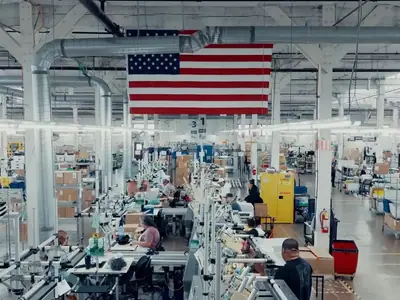
Smith Optics1, the goggle company an orthodontist started in Ketchum, Idaho, in 1965, keeps its manufacturing headquarters in Clearfield, Utah. Smith's blog says the 120,000 square foot plant there, called MFG, employs 125 people from 19 nationalities and turns out more than one million products a year. Plenty of outdoor brands have a Utah address that never makes it onto the hangtag. Some started here and others moved in later, and fewer of them build anything in the state than the addresses suggest. Here is what each one does in Utah.
Quick answers
Is Smith Optics a Utah company?
Partly. Smith was founded in Ketchum, Idaho, in 1965 and is owned by Safilo of Italy, but its manufacturing headquarters is in Clearfield, Utah, where it assembles select products.
Where are Hoyt bows made?
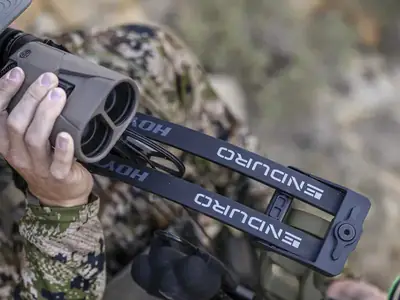
In Salt Lake City, at Hoyt's plant near the airport. Hoyt moved there after Jas. D. Easton Inc. bought it in 1983.
Is Pit Viper from Utah?
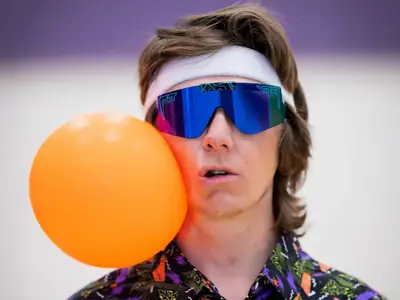
Yes. Pit Viper13 was founded in Salt Lake City in 2012 and is run from South Salt Lake.
Is Goal Zero a Utah company?
It started in Utah and is run from Bluffdale. BioLite, based in Brooklyn, New York, has owned it since April 2025.
Outdoor gear that is built in Utah
Smith Optics cuts lenses and assembles goggles in Clearfield. The same building prints goggle straps, and every prescription lens is ground to order on site. Safilo, an Italian eyewear group, has owned Smith since 1996. In 2014 Safilo moved design and e-commerce to Portland, Oregon. It also put all of its sports brands' ski goggle manufacturing in Clearfield. The office went to Oregon, and the goggles kept their Utah address. Smith's product pages say it assembles select products in Clearfield, which is a narrower claim than making everything there.
Hoyt Archery builds every bow in a 150,000 square foot building near the Salt Lake City airport, and the building has its own archery lane so the people who make the bows can shoot them. Hoyt started in St. Louis in 1931, making cedar arrows. Jas. D. Easton Inc. bought it in 1983 and moved it to Salt Lake City one department at a time. Its bows have won Olympic medals since 1972, and Sylvester Stallone carried a Hoyt/Spectra bow in two Rambo movies.
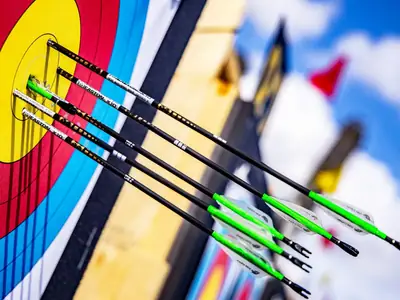
The same family company owns Easton Archery, which makes arrow shafts at a 100,000 square foot plant in Salt Lake City built in the 1980s. Easton arrows have been used to win every Olympic archery title since the sport returned to the Games in 1972. In the late 1960s the company made the first aluminum ski poles, and after that the first aluminum baseball bats.
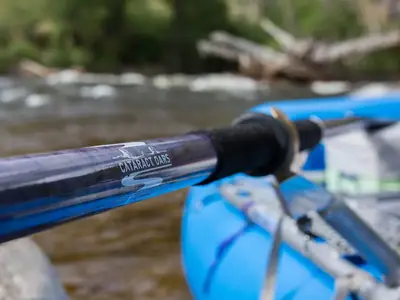
Cataract Oars are made in Salt Lake City by Advanced Composites, a company that NRS10 says also makes guided missile parts and armor piercing projectiles. NRS gives the reason for the oars in one line: the people running the place are rafters, and they figured they could build better oars than they could buy. Each shaft is wound from fiberglass and carbon on a polished steel mandrel and cured in an oven. Cataract's own About page admits that oars lasting decades are "bad for repeat sales."
Brands that started in Utah
Pit Viper started in Salt Lake City in 2012. Chuck Mumford painted military surplus ballistic frames in neon and traded them for rides to ski resorts, Utah Business12,14 reports, and he and Chris Garcin bought about 10,000 more surplus pairs until the wholesaler told them they had bought it out. Garcin says the company now sells nearly 500,000 pairs a year. It is independent and privately held, and it is run from South Salt Lake.
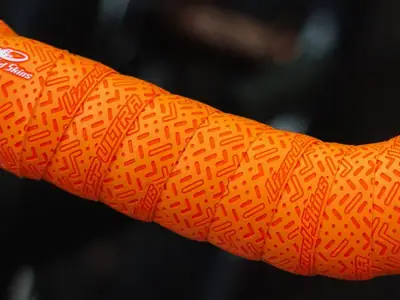
Lizard Skins began in Utah in 1993 with neoprene fork boots for mountain bikes, and its first month brought in $340. In 2016 its grip became the official bat grip of Major League Baseball. The company is run from American Fork, where it says some products are still produced. Marucci Sports bought it in 2021, and in September 2026 Fox Factory sold Marucci, Lizard Skins included, to a group led by Marucci's managers.
Hugger Mugger started in Salt Lake City in 1986, after Sara Chambers watched a yoga teacher keep borrowing a student's belt to demonstrate a pose. She brought a cotton D-ring strap to the next class and took orders that night, along with orders for the maroon velour shorts that named the company. Her first mats were German carpet underlay, and they crumbled within months. So Hugger Mugger had a chemist help design the Tapas, which the company calls the first mat made specifically for yoga.
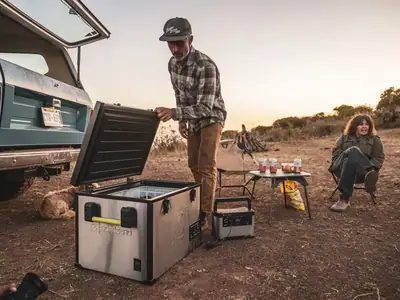
Goal Zero, run from Bluffdale, grew out of solar kits tested in the Democratic Republic of the Congo in 2008. It launched as a business in 2009 and calls itself the originator of the portable power station. The Yeti 1250 sold out within a day and a half of its December 2012 launch. BioLite, based in Brooklyn, has owned Goal Zero19 since April 2025.
The oldest name on the list
Browning was formed in Ogden in 1878 by John Moses Browning and his brother Matthew, and its headquarters has been in Morgan since 1964. Belgium's FN Herstal has owned it since 1977, and its guns are made by FN and licensed makers such as Miroku, not in Utah. Its own timeline shows how far it once wandered from guns. In 1962 its catalog added fishing rods and ski poles along with archery gear and pole vaulting poles. In 1965 Browning21 bought a sailboat company.
How to read a Utah address
The made in Utah list shows only the brands that build here, like Hoyt and Easton. Both archery makers also sit in hunting and archery, next to Browning. The bigger names people already associate with Utah are in Utah outdoor brands, sorted by what they make, and the European companies with offices in Ogden and Park City have their own page.
Brands in this answer