ENVE Composites is a cycling brand founded in Ogden, Utah, in 2007.
Before ENVE molded a single rim, its founder ran a machine shop in Las Vegas that made safety harnesses and other contraptions for Cirque du Soleil. Jason Schiers built his name there by turning replacement parts around overnight, and Bikerumor noted that acrobatics are hard on equipment. He learned carbon fiber on aerospace and NASCAR projects, then spent about two years developing carbon wheels at Reynolds.
His next company was supposed to make structural carbon parts for cars. Then two cousins who built long travel dune buggies led him to a closet full of mountain bikes worth $5,000 and up and said he should make parts for those. The cousins put up the money, and Edge Composites, as ENVE was first called, started in a corner of the 5,000 square foot building that housed their dune buggy company. The bike business grew until it pushed the dune buggies out, so the cousins paid for their own eviction.
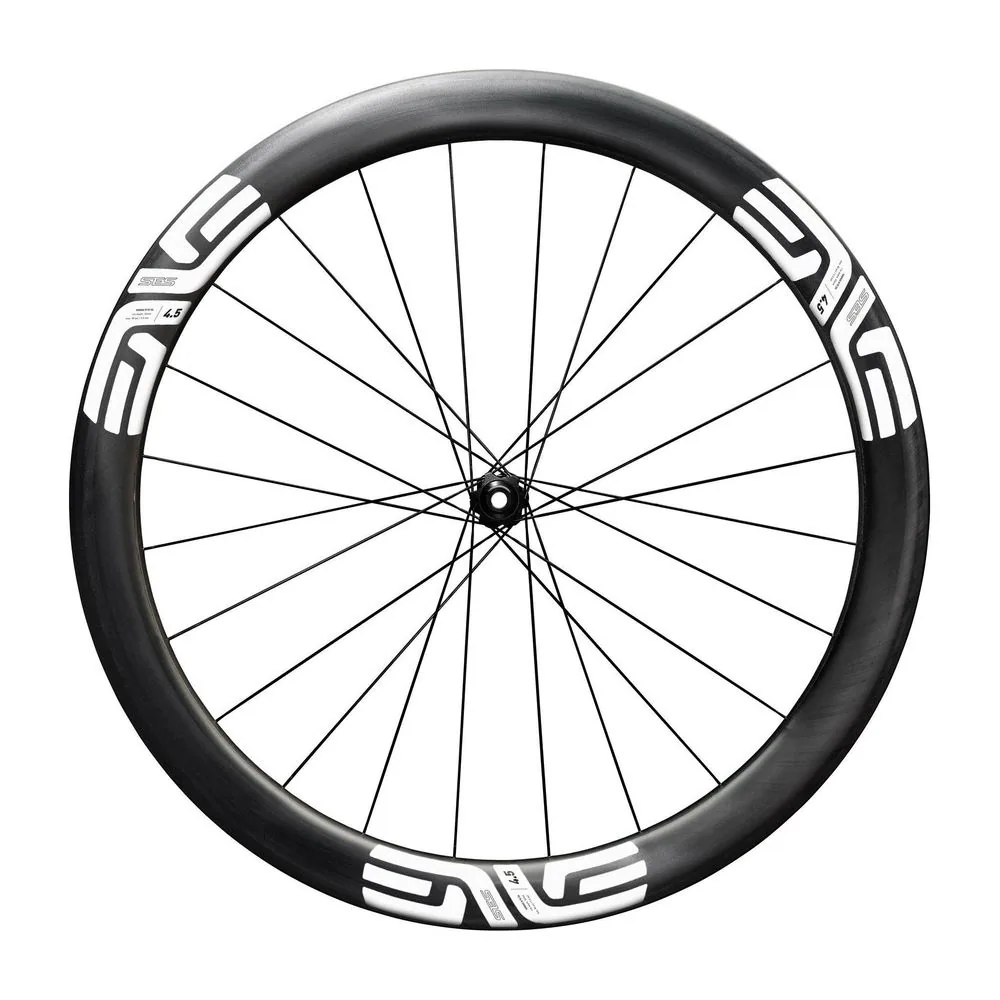
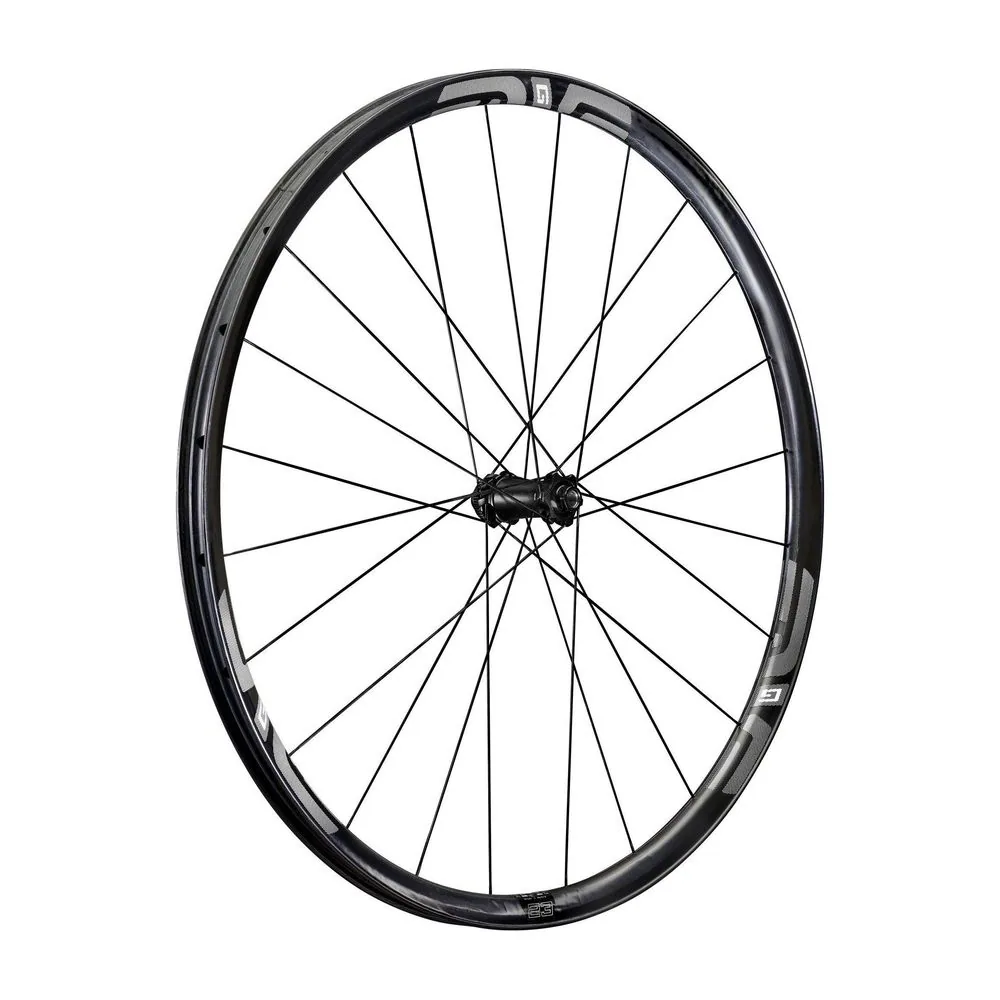
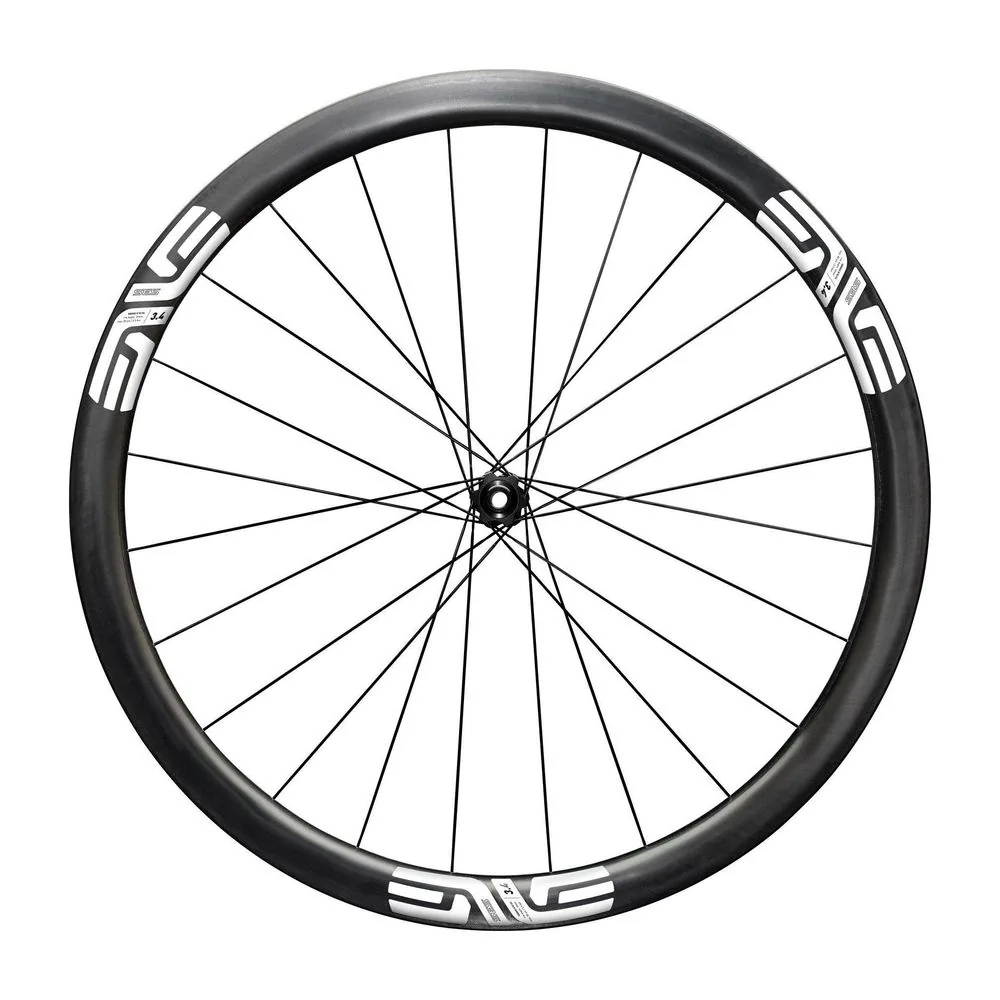
Schiers told Bikerumor he began with a bullet point list of what he thought was wrong with carbon wheels. The fix that defines the rims is in the spoke holes. Many carbon rims are drilled for spokes and need a heavily reinforced bed to make up for it. ENVE molds the holes in instead, a process it patented, so the fibers run unbroken around each one, at the cost of a separate mold for every spoke count.
Making it work took a while. Before Joe Stanish arrived to run operations, the plant had high scrap rates and a huge backlog, with scrap once as high as 30 percent. By 2012 it was under 5 percent, and Stanish said 70 percent of what still got tossed was rejected for looks alone. Raw carbon waited in a freezer until it was cut, and every finished rim and fork had to land within 10 grams of its target weight.
The Edge name ran into a trademark already held in Europe, and the company became ENVE on September 1, 2010. Schiers admitted they "didn't consider checking for trademark registrations outside of the U.S."
Two years later Utah approved a tax credit tied to 324 new jobs in Ogden, and CEO Sarah Lehman said the state's help would make "on-shoring jobs from Asia" possible. Amer Sports bought ENVE for $50 million in 2016, the year it moved into an 80,000 square foot building in Ogden. In 2024 Amer agreed to sell it to PV3, a Utah investment firm. ENVE's general manager called the sale an opportunity to take the company "to the next level through local Utah ownership."
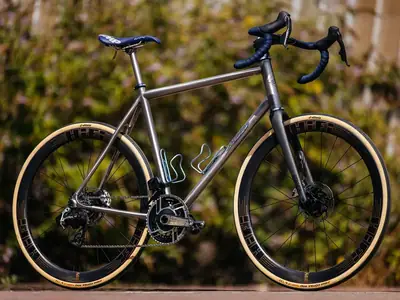
That building held ENVE's engineering and its manufacturing at the time of the sale. Since 2021 it has also turned out complete road bikes, down to a one-piece bar and stem made in Ogden.
The priorities were set early. On a 2011 Slowtwitch tour of the plant, staff bikes filled a big rack by the entrance, and a shower had been converted into a bike wash room, "because we know what is important here."
For the 2026 IndyCar season ENVE signed on as a primary sponsor of Mick Schumacher's No. 47 car, and Schumacher rides an ENVE Melee painted after his helmet design.
I've ridden ENVE wheels for years and they've never let me down. You pay for it, but it's worth it.
Alex
New from ENVE Composites
Melee v2 road race bike
ENVE introduced the Melee v2 on September 10 in Ogden. A size 56 frame in Ultralight Black comes in under 800 grams, and a complete size 56 bike can reach 6.8 kilograms.
Disc rear wheel opens to every buyer
ENVE's disc rear wheel, until now ridden by UAE Team Emirates XRG and elite triathletes, has been released to everyone. ENVE designs and builds its wheels in house in Ogden.
GRODEO gravel ride and factory open house
About 300 riders covered 92 miles of gravel in the Wasatch for ENVE's GRODEO. The same weekend, an open house at the factory showed 30 custom painted ENVE bikes.