KLOS Guitars is a consumer tech brand founded in Provo, Utah, in 2015.
KLOS Guitars once ran over its own carbon fiber ukulele with a Prius to show buyers how much it could take. The ukulele survived. It had already been hit with a hammer and stood on by two people. Then a 30-pound cinder block was dropped on it from six feet. It finally broke under a Toyota 4Runner, which seems fair. The company that filmed all this assembles its instruments in Provo.
The idea came from a cracked guitar. In early 2014 Adam Klosowiak left the window of his college dorm room open over winter break, the company says. He came back to a wooden travel guitar split from the bridge to the edge of the soundboard. His brother Ian was studying mechanical engineering at Brigham Young University and had built a carbon fiber guitar for a class. Ian told Guitar Player that nobody was making carbon guitars at a reasonable price.
The first production line was a dorm too. Adam told Music Inc. that they were infusing carbon fiber with epoxy at 2 a.m. in a Princeton dorm, "which wasn't technically allowed." The epoxy set off a fire alarm. Fire and safety staff told them to stop. "So we got this garage in Provo, Utah," he said. By 2021 one garage had become three joined garages, with 16 people on the manufacturing crew.
Money came in small pieces. A Princeton summer accelerator gave the brothers $20,000, and a Kickstarter for the Travel Guitar in June 2015 brought in the first 70 customers. Tony Hawk bought about five guitars through that campaign. When Adam emailed him, Hawk asked to add more for his kids, the Daily Herald reported, "so people would stop stealing his."
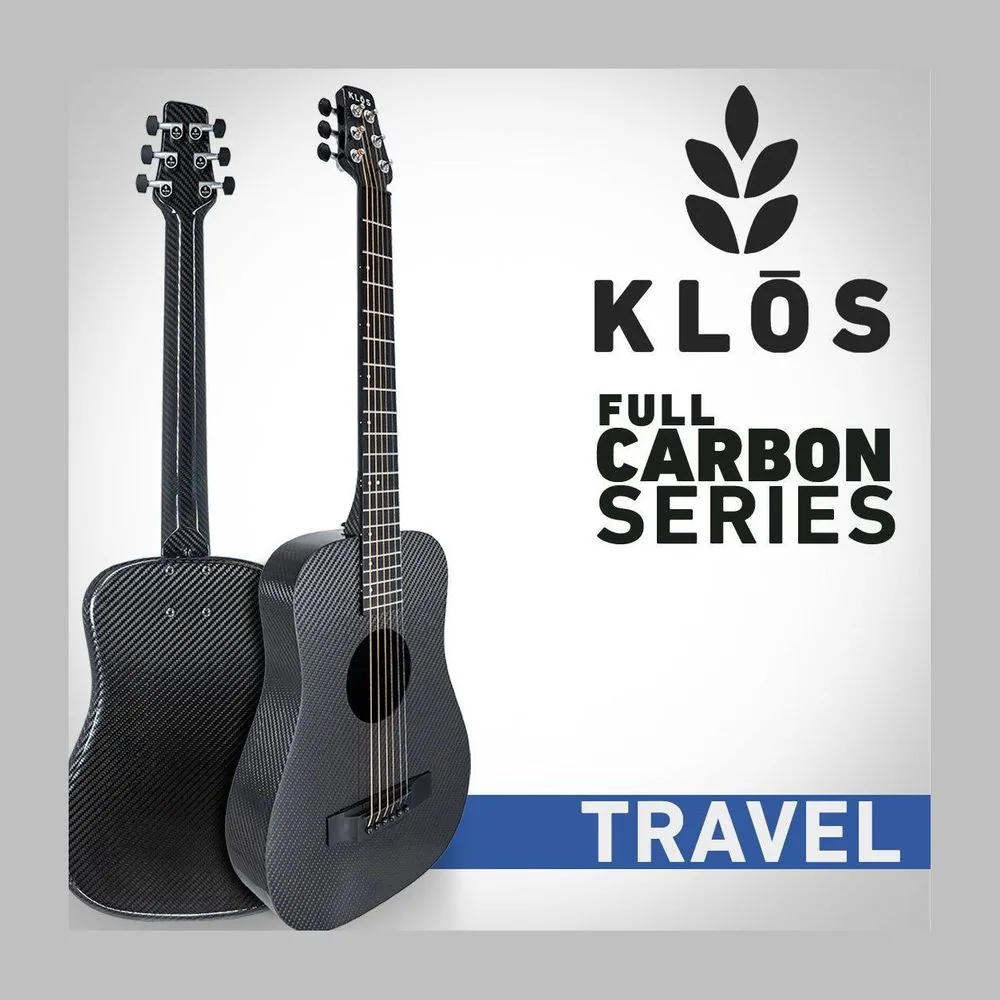
The guitar itself is simple in one way that matters. The Daily Herald counted two main pieces in a KLOS guitar, where a standard wooden one has more than a dozen, and the carbon is not painted. The full carbon Travel Guitar weighs 2 pounds 13 ounces. Its neck comes off with four screws, and the company says a full-size guitar packed in backpack mode fits in an overhead compartment.
KLOS spells out on its own site where the parts come from. Some parts and materials come from partners abroad, China and Brazil among them. The gig bags are made entirely in Vietnam. The Provo shop does the final building, starting with gluing the carbon soundboard to the body and ending with an inspection. In 2018 Adam put the assembly at just over 100 steps, with each employee learning somewhere between 20 and 50 of them.
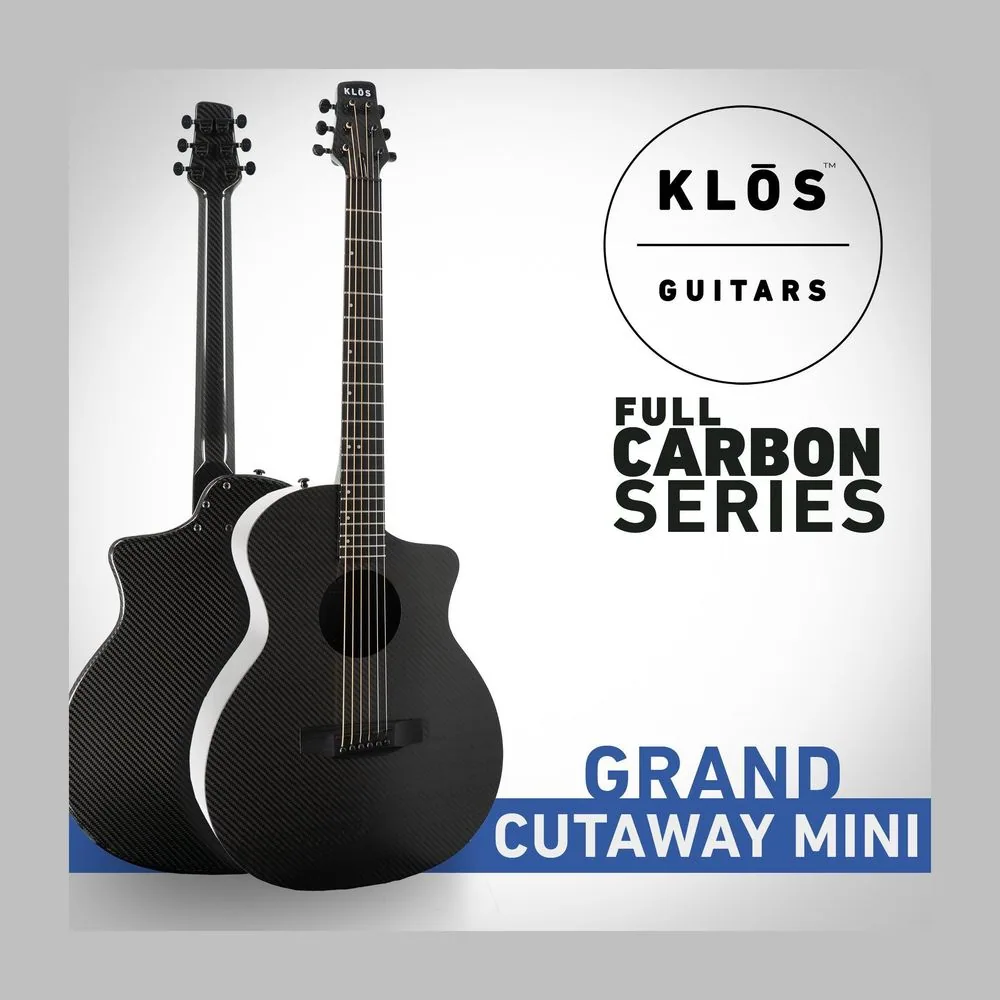
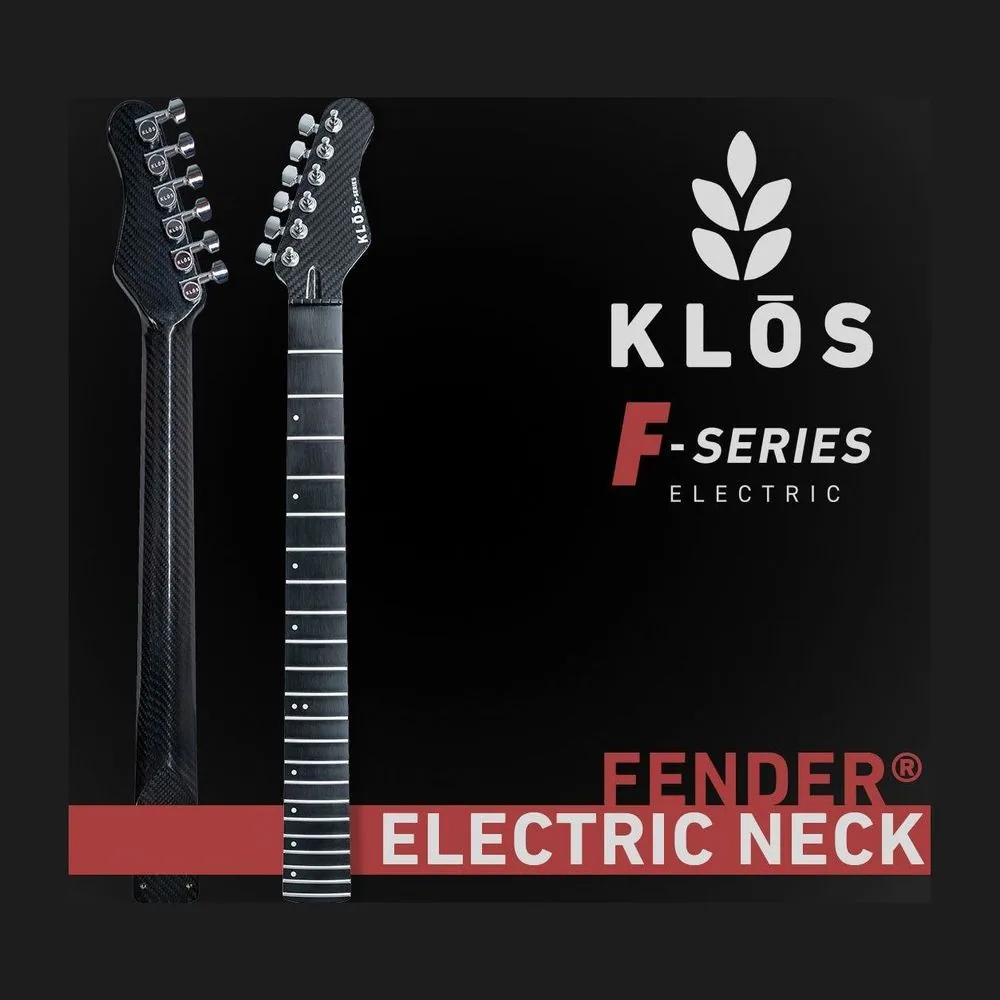
The catalog has grown well past that first travel guitar. Electric guitars and basses arrived in 2021, and the company now sells carbon necks built to bolt onto Fender bodies. Guitar Player gave the Grand Cutaway Mini an Editors' Pick, and the brothers have said they want guitars treated more like gear than fine art.
The brothers had help from home, though not much of it. Their parents bought a guitar in the first Kickstarter, which the Daily Herald described as the closest thing to family funding the company got. Seed money, in this case, came with strings.
A KLOS video of a guitar swung as a golf club drew almost three million Facebook views on about $800 of ad spend.
Carbon fiber guitars from a couple of college kids, and look at them now. One of my favorite ideas to come out of Utah.
Alex