PhoneSoap is a consumer tech brand founded in Utah in 2012. It is headquartered in Provo, Utah.
PhoneSoap began when college students put a cell phone under a sterilizing lamp. In 2012 KSL reported that the students' "ding-ding moment" came after they placed a phone under one of the UV lights Brigham Young University's cancer research center uses on its equipment. The company now builds UV-C sanitizers for phones and much more, and is run from Provo.
PhoneSoap tells it as the story of two cousins. Wes LaPorte was studying life science and doing cancer research on campus, and Dan Barnes was studying business marketing, when a TV report claimed a share of phones carried fecal matter. They tested their own, and the company says the average phone is 18 times dirtier than a public bathroom. KSL's early story described a larger group of four students, with Jordan Monroe doing the talking.
The first design was a black box about six inches square, with a sliding drawer and a charger inside. Monroe said they had thought about a wipe, but people "don't want water on their phone or trash in their pockets." Monroe's reasoning for the charger was simple: people forget to clean things, but they will leave a phone in overnight to charge.
A Kickstarter in 2012 asked for $18,000 and raised $63,000. The first PhoneSoap shipped in 2013 and sold 22,349 units in its first year, the company says. Back in 2012 the students had been weighing a kiosk at University Mall, which turned out to be thinking small.
Then came Shark Tank. On Season 6, Episode 16, in 2015, the founders received three offers and took $300,000 from Lori Greiner for 10 percent of the company. PhoneSoap credits her QVC reach with sending the brand mainstream, and a Kickstarter for a tablet sized PhoneSoap XL that fall raised more than $65,000 against a $30,000 goal.
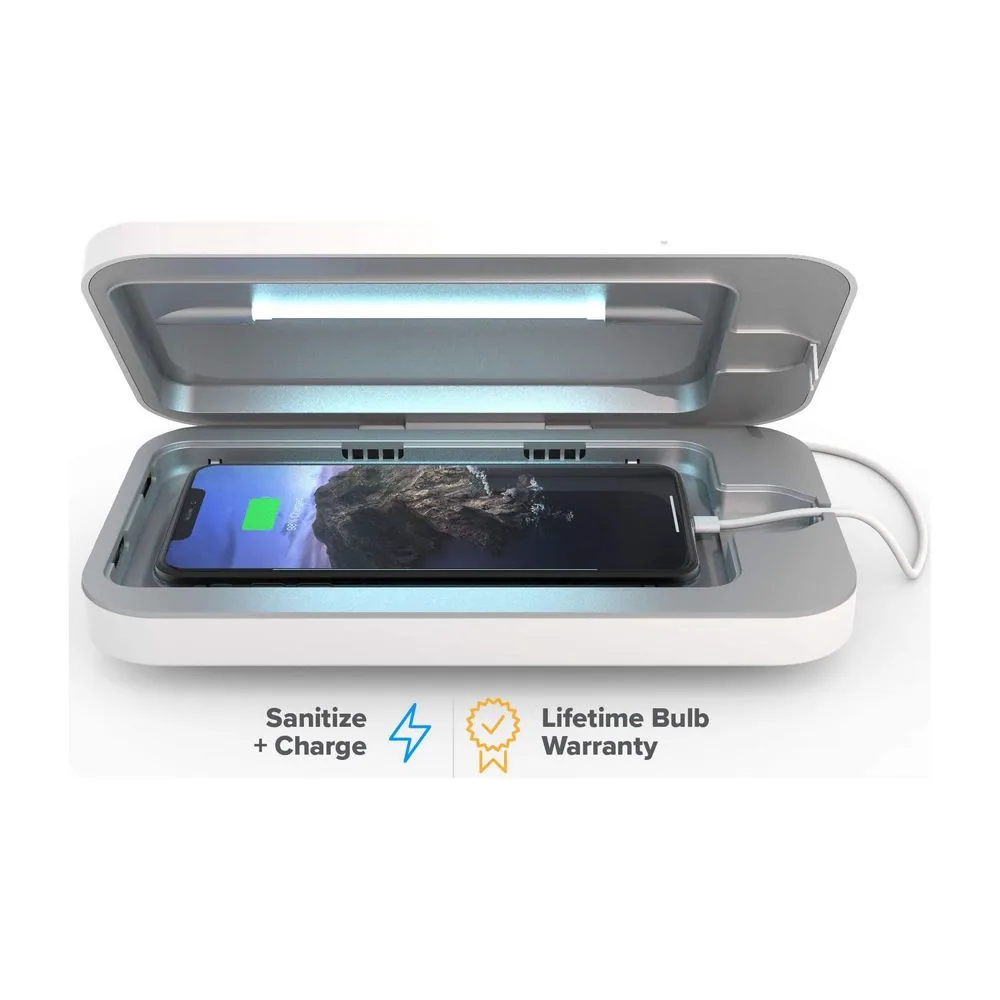
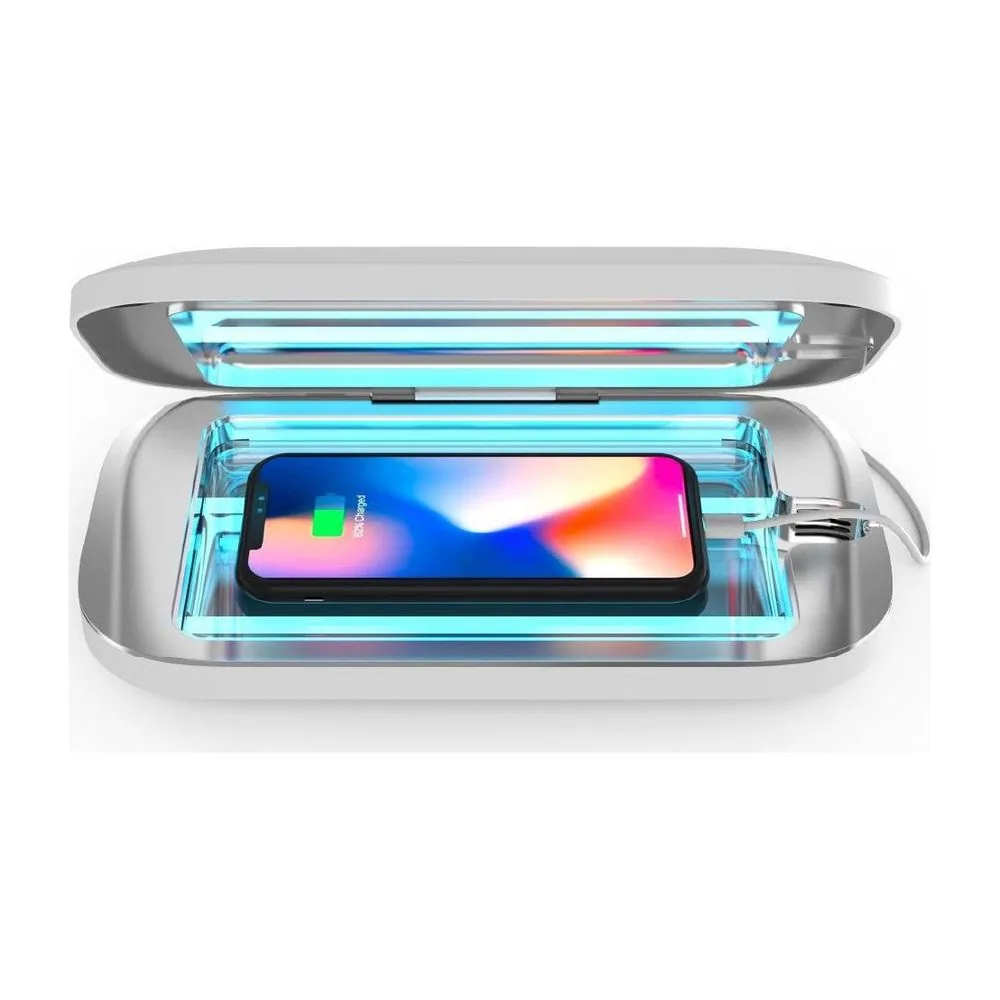
The current PhoneSoap 3 uses two UV-C bulbs and a reflective interior to reach every side of a phone in a 10 minute cycle while it charges. The Pro doubles the bulbs and cuts the cycle to five minutes. The company says lab testing showed the light kills 99.99 percent of germs on actual phones, and its own fine print adds that real world results may vary and that it is not a medical device.
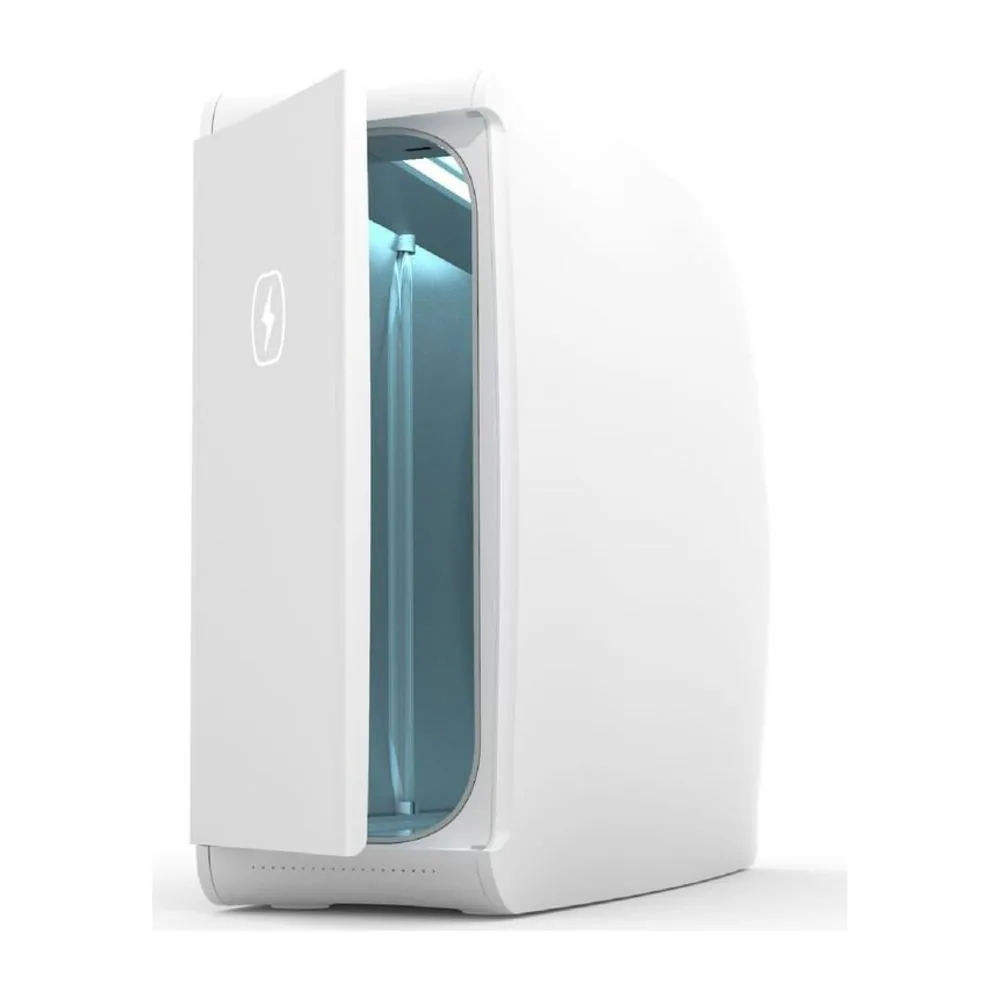
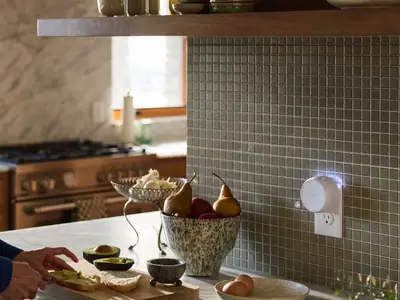
The lineup has wandered well past phones since then. HomeSoap is big enough for an 11 inch tablet, and in 2020 the company started selling a filterless air purifier. A toothbrush sanitizer arrived in 2024 and a baby bottle sanitizer in 2026.
The company says it has sold more than 4 million units and is still founder led. That is a long way from a box on a BYU Bookstore shelf.
A 2015 Kickstarter for the tablet-sized PhoneSoap XL raised more than $65,000 against a $30,000 goal.